1
Preparing the necessary templates for collecting the report’s content.
All links to official websites of government agencies in the Kingdom of Saudi Arabia end with gov.sa.
Secure websites in the Kingdom of Saudi Arabia use the HTTPS protocol for encryption.
Registered with the Digital Government Authority under number :
202409228462025 CE 1446-1447 AH
.jpg)

 We are confident in the capabilities of the Saudi citizen, and we place — after Allah — great hopes in them to build their nation and uphold their sense of responsibility towards it. Every citizen in our country, and every part of our cherished homeland, is a focus of my care and attention. We look forward to everyone contributing to the service of the nation.

 The Kingdom is undergoing a transformative shift across new and promising sectors, driven by its rich cultural heritage and its unique geographic and demographic diversity, enabling it to stand among the world’s leading nations in tourism, culture, sports, entertainment, and beyond.
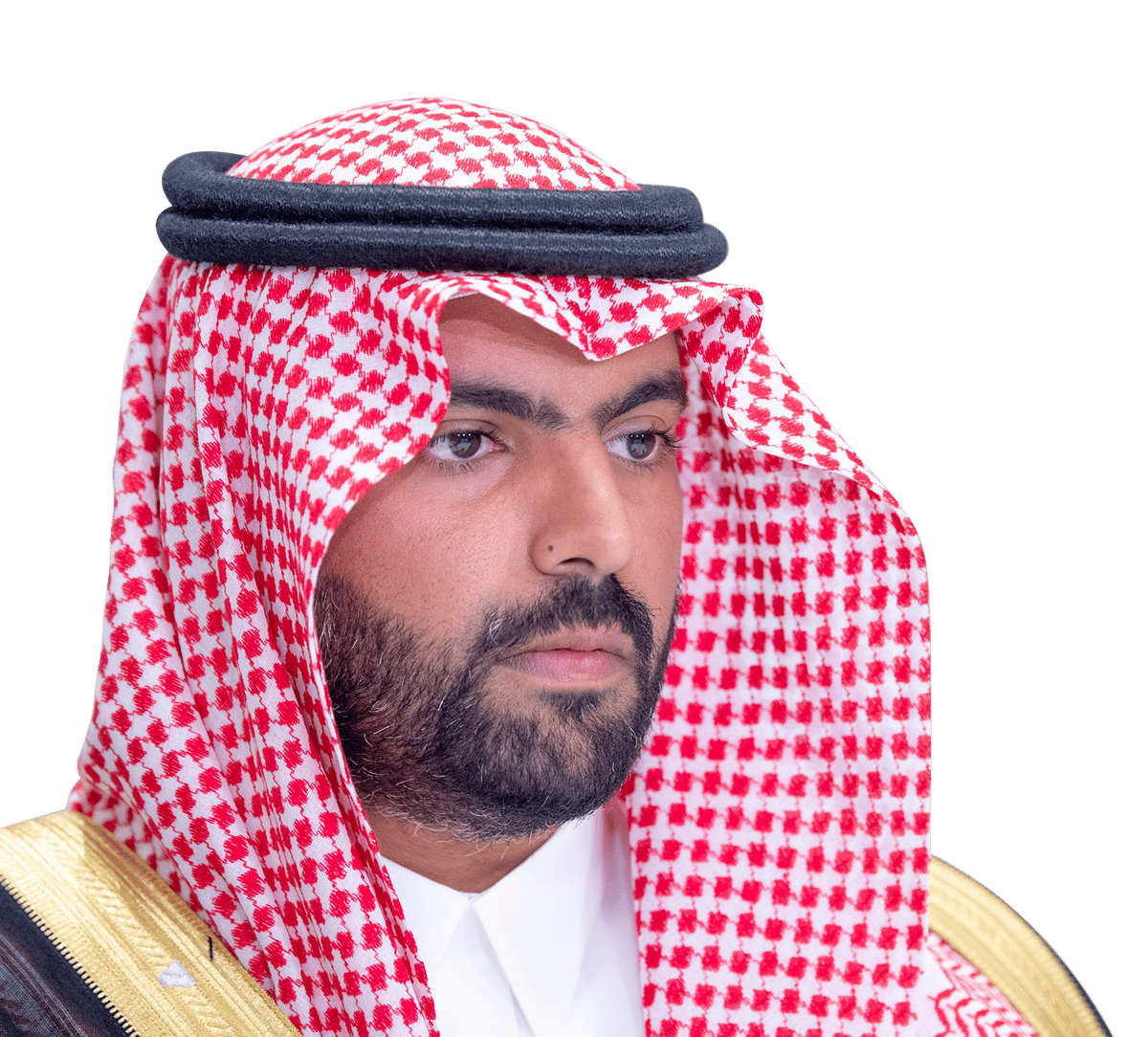
Speech of H.H the Governor of the Royal Commission for AlUla
Since the establishment of the Royal Commission for AlUla (RCU) in 2017, by Royal Decree, and under the unlimited guidance, support, and care of the wise leadership, RCU has embarked on an ambitious national path. This path is based on a comprehensive vision aimed at building a global model for sustainable development through heritage preservation, human empowerment, and value maximization.
This vision has provided a reference framework for RCU’s work and a foundation for achieving national objectives across all fields, particularly in destination development, quality of life, and economic diversification, following a responsible and balanced approach that places the protection of AlUla’s natural and cultural heritage as a top priority, considered a national and human asset. In line with this, RCU has given utmost importance to investing in people by developing human capacities, building skills, and creating unique opportunities for Saudi men and women to actively participate in the development journey.
Simultaneously, RCU has expanded opportunities for strategic investment through a comprehensive system of sustainable investment offerings, attracting strategic partnerships that enhance the role of the private sector, support the diversification of the local economy, and generate long-term economic and social impact benefiting the residents of AlUla in particular, and the Kingdom as a whole.
AlUla’s heritage and natural environment constitute the core of the development vision, viewed as two pillars of growth and sources of knowledge and creativity. By positioning AlUla as a global model of comprehensive sustainable development, RCU contributes to strengthening the Kingdom’s cultural and scientific presence internationally, in line with the objectives and programs of Saudi Vision 2030.
RCU is pleased to present in this report its achievements and initiatives during 2025 toward fulfilling all its targets.
In conclusion, it is my honour to extend my deepest gratitude and appreciation to the Custodian of the Two Holy Mosques, King Salman bin Abdulaziz Al Saud, and to His Royal Highness Crown Prince Mohammed bin Salman bin Abdulaziz Al Saud — may Allah preserve them — for their unwavering support. I also extend my sincere thanks to all RCU employees, partners, and collaborators, and I look forward to everyone continuing their efforts toward achieving all objectives.
HH Prince
Badr bin Abdullah bin Farhan AL-Saud
Governor of the Royal Commission for AlUla (RCU)
In 2025, AlUla achieved a series of notable successes in development and sustainability. Aligned with Saudi Vision 2030, these were delivered through a portfolio of strategic programs and projects shaped by an ambitious vision that preserves AlUla’s cultural and historical heritage, while advancing sustainable development for present and future generations. This reflects RCU’s commitment to long-term priorities cantered on a sustainable economy and eco-tourism. The annual report provides a comprehensive account of the year’s efforts and achievements, summarized as follows:
Indicator | Actual Value 2025 | Target Value 2025 |
Number of Attractions Activated | 70 | 53 |
Number of Events | 21 | 36 |
Total Visits to AlUla | 318,917 | 290,000 |
Number of Heritage Sites Open to Visitors | 5 | 5 |
Heritage Sustainability Index | 0,82 | 0,75 |
Number of Heritage Sites Recognized by International Organizations | 6 | 6 |
Kilometres Squared of Terrestrial Protected Area | 12,451 | 12,451 |
Number of Animals Released into Nature Reserve | 1,584 | 1,482 |
Average Monthly Income | Not available | 6,300 |
Number of Active Micro, Small and Medium Enterprises for 3 Years or More In AlUla | 724 | 544 |
)
RCU received the King Abdulaziz Quality Award (Silver Level) in early 2025, reinforcing institutional excellence standards and aligning with Saudi Vision 2030 targets.
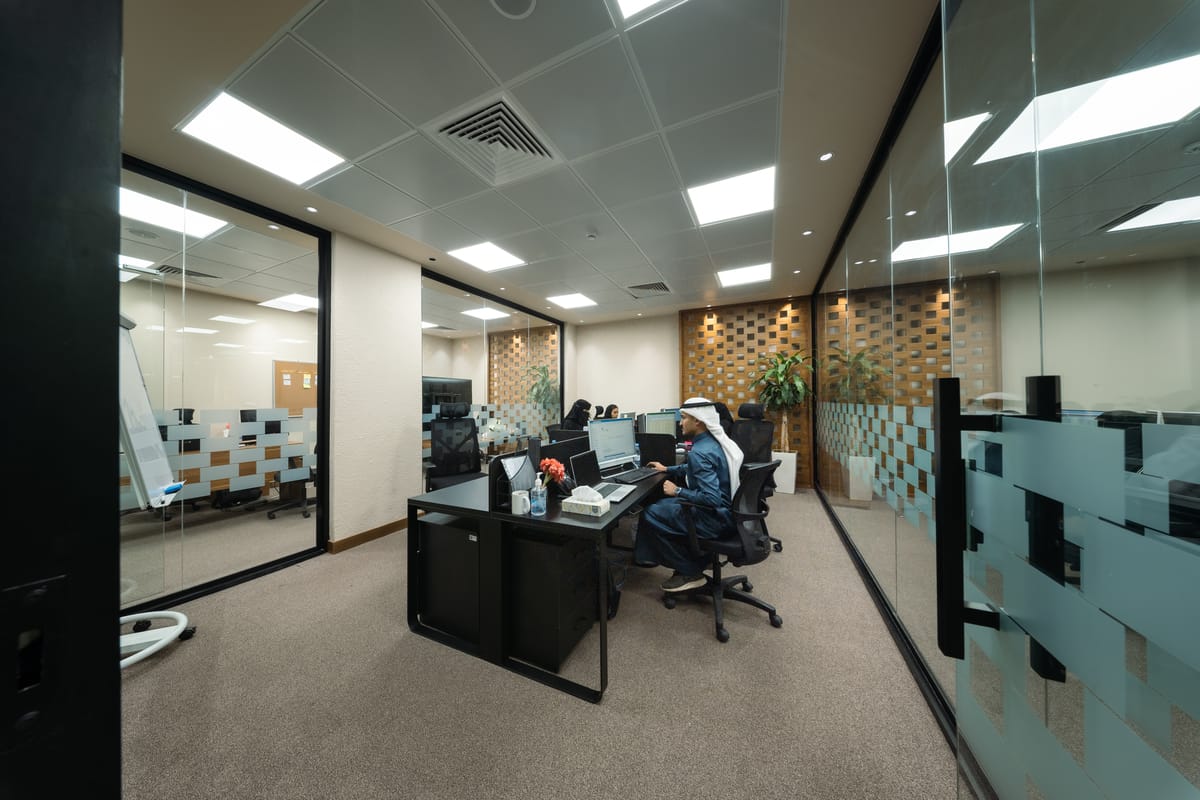
The Internal Audit Sector won the Gold Award (Government Category) from the Saudi Institute of Internal Auditors (IIA Saudi) for the year 2025.
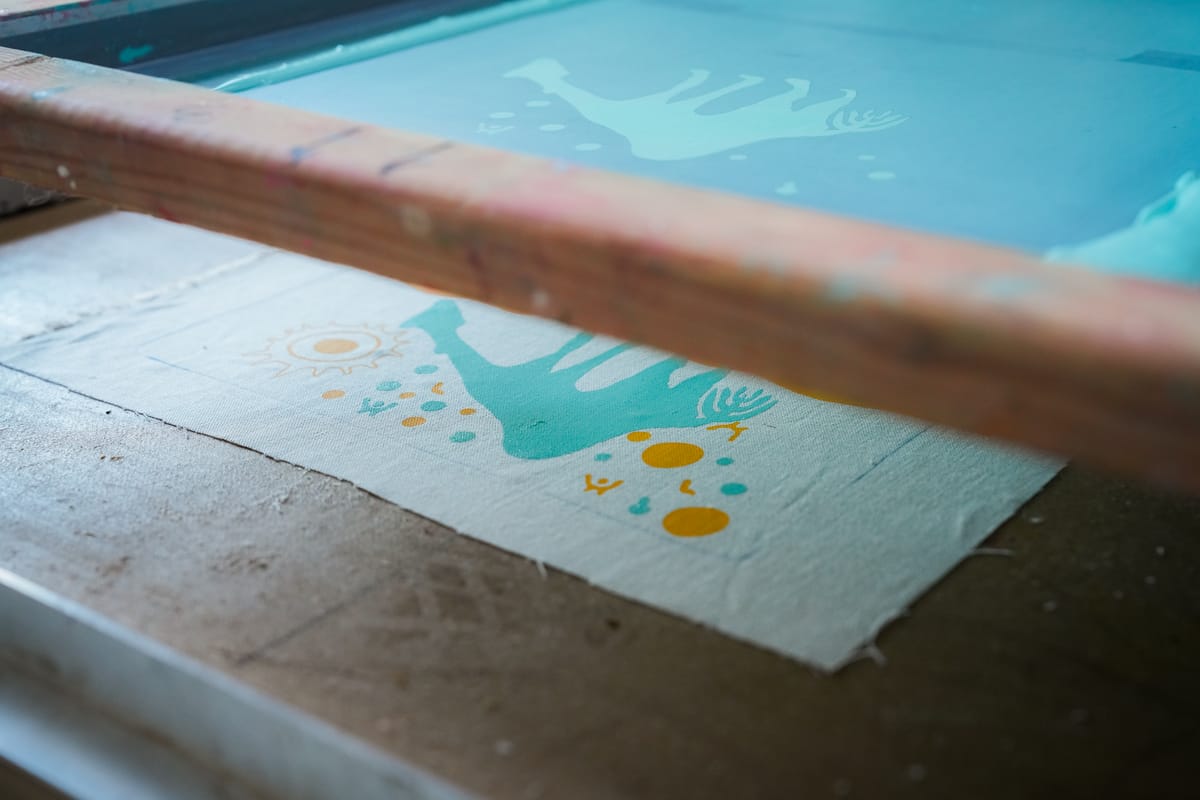
The Conservation team earned the ICOMOS-ISCMP Excellence in Mural Conservation Award for their work in AlUla Old Town.
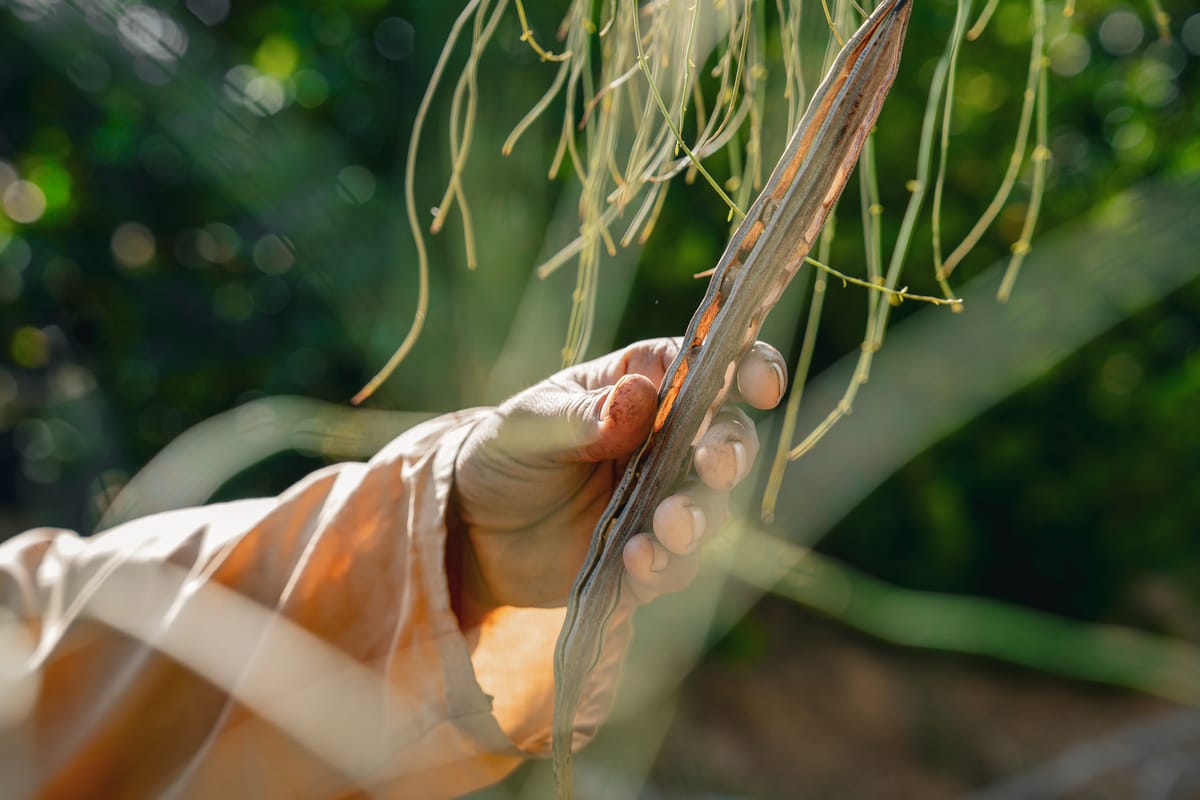
Successfully registered AlUla Moringa Oil (Peregrina) in China, officially accrediting it as one of only two international products within its luxury brand category.
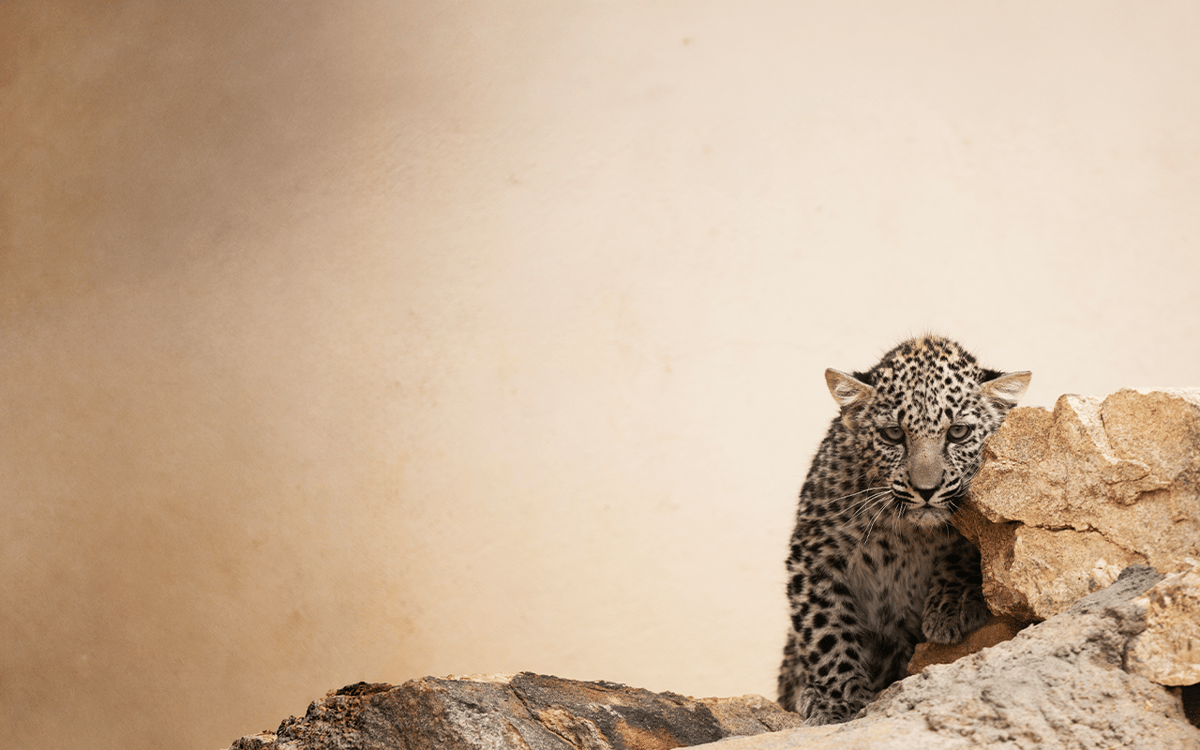
The Arabian Leopard Breeding Center received official accreditation from the European Association of Zoos and Aquaria (EAZA), becoming the first centre of its kind in the Kingdom.
)
Published the first long-term sustainability plan for the Arabian Leopard, linking breeding programs to reintroduction efforts in the wild.
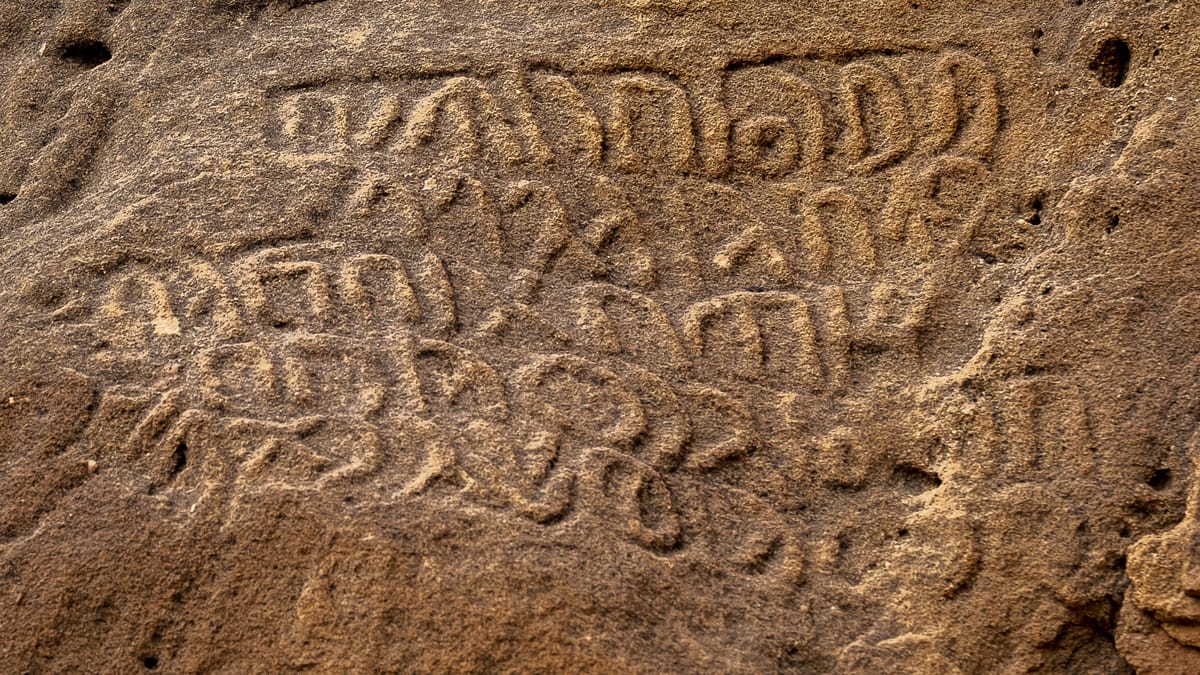
Hosted the AlUla World Archaeology Summit in the worldwide Seminar format, convening over 30 academics and experts from China and around the world In Zhengzhou.
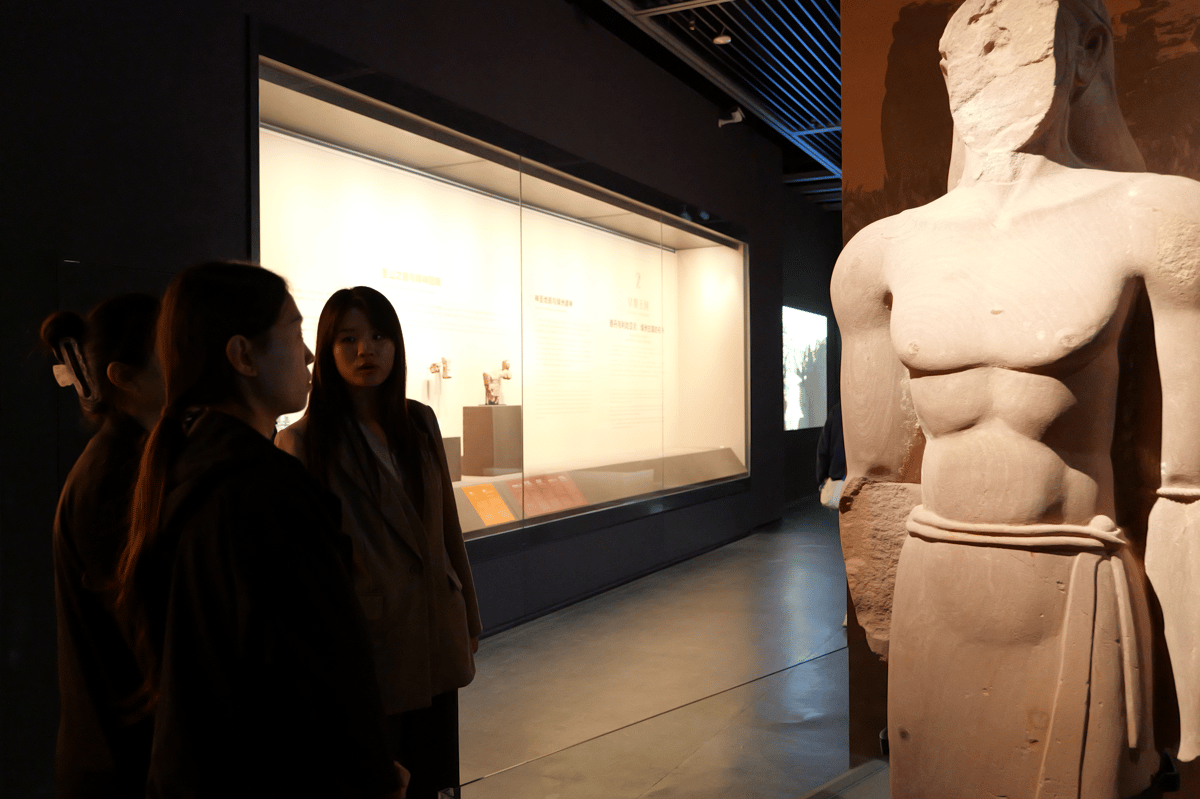
The exhibition “A Glimpse of Ancient Kingdoms in Northern Arabia” attracted approximately 250,000 visitors.
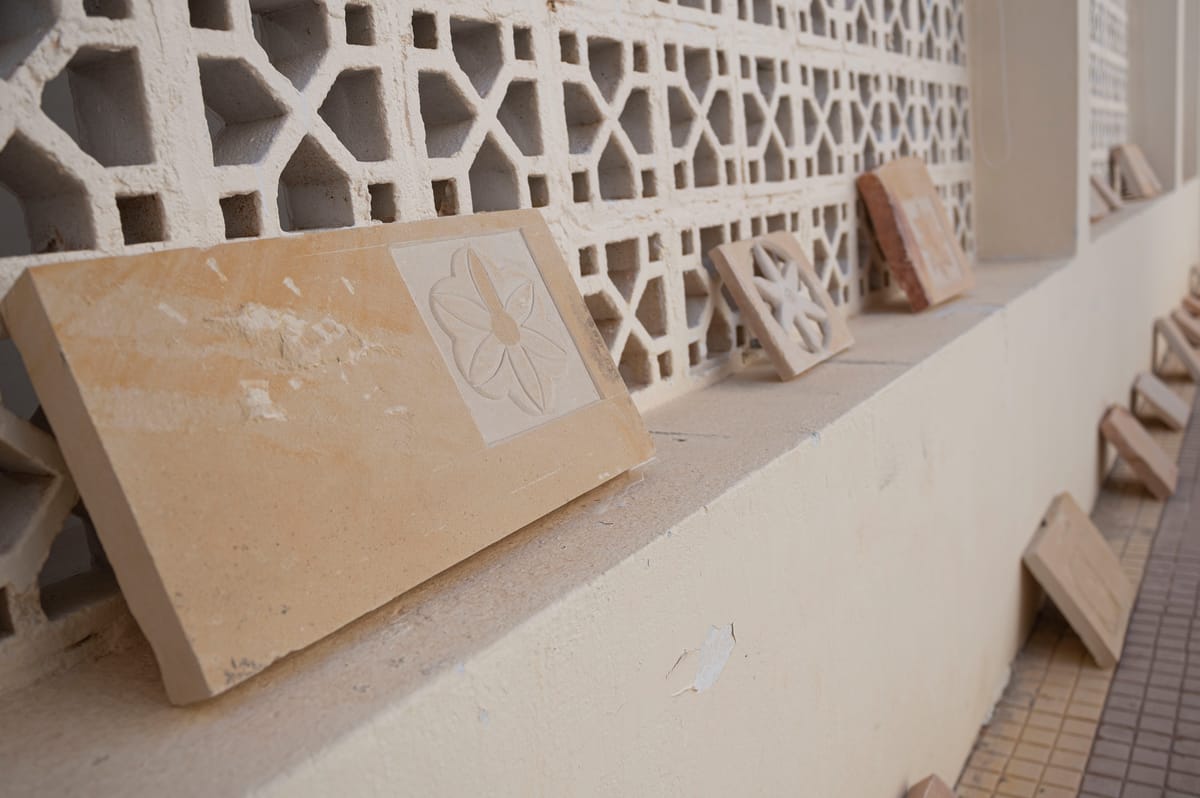
Implemented a professional knowledge exchange program in Paris, and developed the visual identity and official naming of the Contemporary Art Museum.
)
Prepared the 2024 Sustainability Report in accordance with Global Reporting Initiative (GRI) standards, aligned with Vision 2030 and the Sustainable Development Goals (SDGs).
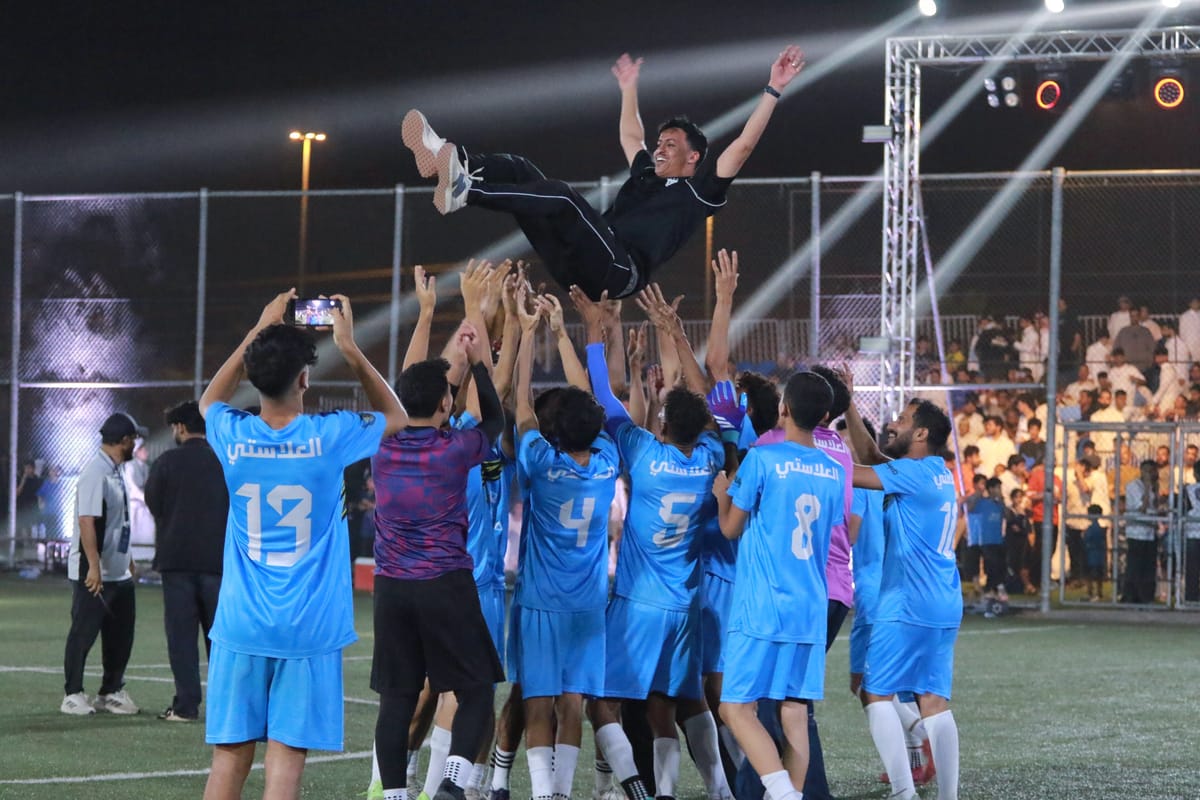
The promotion of AlUla Sports Club from the Second Division League to the Yelo League for First Division Clubs.
)
Issued public policies and regulatory instruments governing activities within AlUla Governorate, enabling RCU sectors to achieve their strategic objectives.
The RCU’s Annual Report for the fiscal year (2025 CE/ 1446-1447 AH) comes in compliance with provisions of Paragraph (2) of Article (29) of the Law of the Council of Ministers, which Regulations, which stipulates that all ministries and other governmental bodies must submit to the Prime Minister, within ninety days from the beginning of each fiscal year, a report detailing their achievements in comparison with the general development plan for the concluded fiscal year, the challenges faced, and any recommendations for improving work performance.
The report has been prepared in accordance with the Guidelines for Preparing Annual Reports of Public Agencies, issued by Council of Ministers Resolution No. (233) dated 18/4/1443 AH, while adhering to the rules for publishing annual reports of public agencies issued by the National Center for Performance Measurement (Adaa) on 1/12/1444 AH. The report covers the RCU’s strategic direction, strategic performance indicators, key activities and achievements, opportunities and challenges, governance, project contracts, RCU facilities, as well as the budget and final accounts.
The report’s methodology was structured through the following phases:
)
About the Royal Commission for AlUla
By Royal Decree, the RCU was established in 2017 to oversee the development of AlUla within a comprehensive and sustainable strategic vision. This vision aims to balance the preservation of natural and cultural heritage with sustainable economic and social development, positioning AlUla as a leading global destination across all fields. This is achieved through strengthening strategic partnerships, creating an attractive investment environment, developing human capacities, and enhancing quality of life.
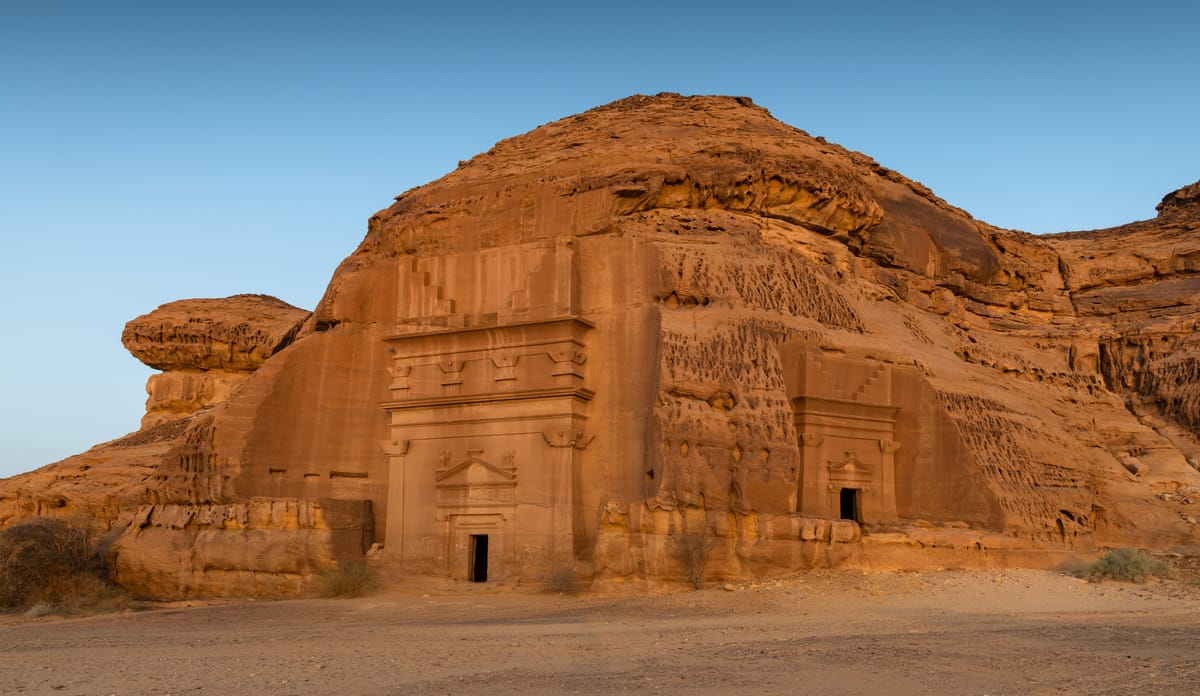
About AlUla
AlUla is one of Saudi Arabia’s most significant sites, carrying a rich human heritage and a diverse natural and cultural landscape that reflects civilizations spanning thousands of years. It serves as a national model for heritage preservation, environmental protection, improving quality of life, supporting the national economy, and achieving the comprehensive developmental objectives derived from Saudi Vision 2030.
The Royal Commission for AlUla developed a strategy comprising a set of pillars, strategic objectives, and performance indicators aimed at advancing various economic sectors in AlUla, enhancing quality of life, and contributing to the achievement of Saudi Vision 2030 targets. The following outlines the targets set through 2030:


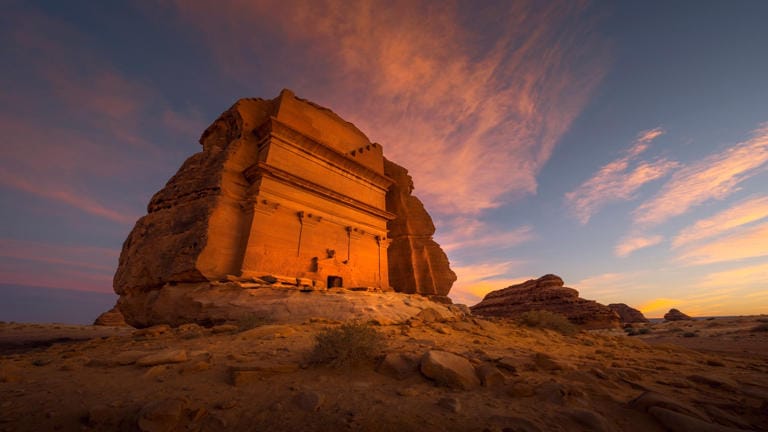

AlUla - a cultural landscape, A journey through time in the largest open museum
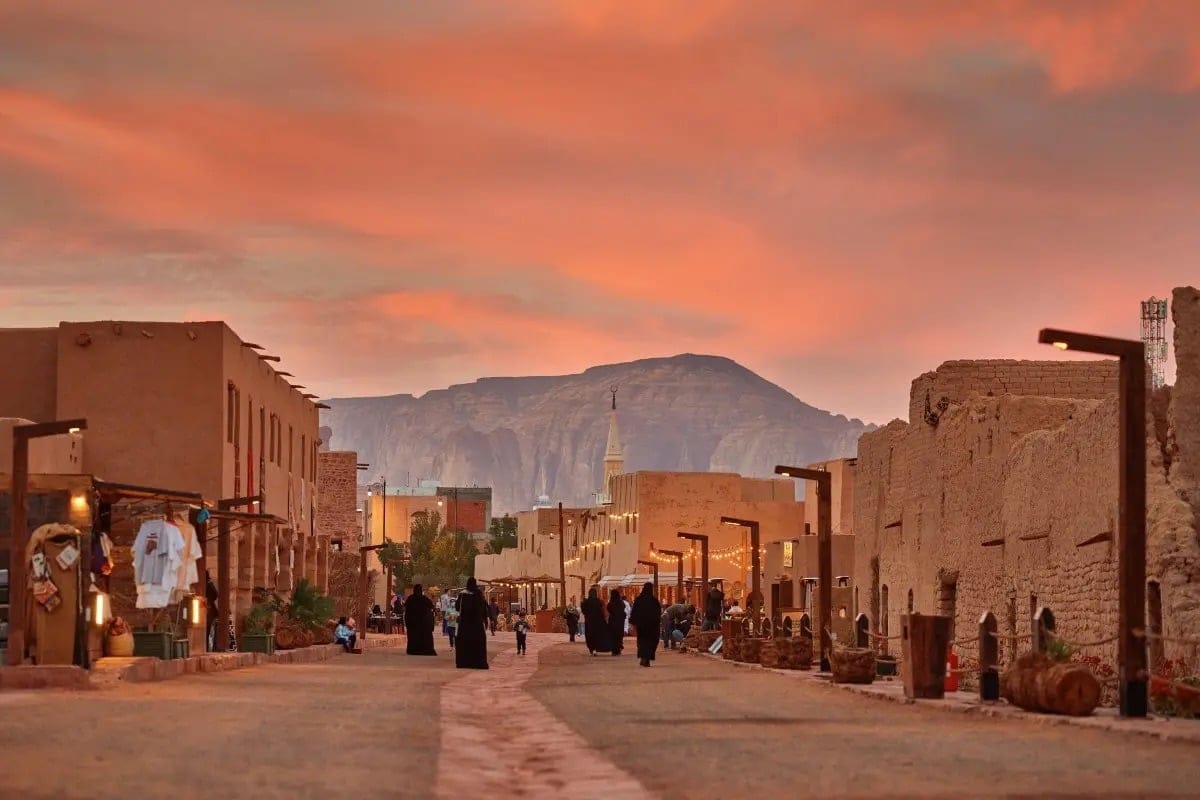
To enable AlUla development for its communities and visitors through regenerating and protecting its cultural landscape and providing quality of life
Strategy implementation Phases
Building a luxury brand through:
Unleash the potentials of the proposed value through:
Grow capacity and competency through:
The RCU’s vision goes beyond tourism development, encompassing broader fields aimed at creating thousands of jobs by the year 2023. In addition to tourism, eight key sectors have been identified to provide thousands of employment opportunities by 2030. These are:
Contribution of the RCU’s KPIs to National Strategies
Relevant RCU’s KPIs:
Relevant RCU KPIs:
Throughout 2025, the Royal Commission continued its journey to empower and develop AlUla by reviving its natural and cultural environment and enhancing the quality of life. Driven by its strategic aspirations and aligned with the objectives of Saudi Vision 2030 to position AlUla as a global cultural tourism destination, numerous landmark projects were implemented across several portfolios dedicated to the Commission’s sectors and administrative units. These initiatives further bolster AlUla’s growing presence and support tourism, sports, and ecological diversity development plans. Additionally, they foster creative and artistic talent and capacity-building opportunities through an institutional approach that achieves comprehensive and sustainable development, as outlined in this report.
.jpg)
Building on RCU’s efforts to embed sustainability principles and strengthen transparency with stakeholders across environmental, economic, social, and cultural domains, RCU has released its second Sustainability Report for 2024. This report follows global best practices in public sustainability reporting, and provides a comprehensive view of RCU’s positive contributions, as well as the challenges faced in advancing sustainable development.
The 2024 Sustainability Report has been developed in accordance with the Global Reporting Initiative (GRI) standards, providing a holistic framework that reflects the environmental, economic, and social dimensions of RCU’s operations. The report is also aligned with key international frameworks, including the United Nations Sustainable Development Goals (SDGs) and UNESCO’s framework, as well as with the objectives of Saudi Arabia’s Vision 2030. This alignment reinforces AlUla’s position as a leading national model for sustainability.
As part of its efforts to foster a culture of sustainability and environmental awareness, RCU is implementing the “Saon AlUla” campaign for the second consecutive year. The campaign aims to enhance environmental awareness and stewardship among AlUla’s community, fostering long-term sustainable behavioural changes that support the preservation of AlUla’s natural and cultural heritage.
The campaign methodology is based on the Environmental Competency Framework, a scientific reference framework that defines the knowledge, skills, and values necessary to empower individuals to make responsible and sustainable decisions regarding the environment. This framework serves as a guiding reference for educational curricula, policies, and related initiatives, by promoting environmental literacy, developing practical skills, instilling environmental values, and supporting the adoption of sustainable behaviours.
The campaign targets diverse segments of the community, including youth, schools, farmers, hotel operators, tourists, cultural narrators, the local community, and RCU staff. Throughout this year, RCU has implemented a series of initiatives directed at its staff, narrators, heritage custodians, hotel operators, and educational institutions, in addition to digital awareness campaigns on social media platforms. Key initiatives within the campaign include:
As part of its commitment to supporting the Saudi Green Initiative and promoting environmental sustainability, RCU continues to implement strategic projects designed to protect ecosystems, restore degraded habitats, and promote biodiversity conservation and sustainable use of natural resource. These efforts were built upon previous initiatives, including the establishment of a nursery and seed bank, cataloguing plant and animal species in AlUla, and studying the causes of Acacia tree mortality along with potential solutions. The following projects, implemented in 2025, demonstrate RCU’s ongoing commitment to create an impactful and long lasting positive impact on AlUla’s environment:
RCU adopts a comprehensive governance framework that embeds the principles of transparency and accountability and supports effective decision-making, thereby enabling it to perform its supervisory, regulatory and executive roles efficiently, in accordance with the competencies stipulated in its Regulation. This is achieved through activating the internal control system, strengthening risk management, and continuously assessing the level of RCU’s institutional maturity, in a manner that contributes to the achievement of its strategic objectives and the enhancement of its operational efficiency.
.jpg)
The Board of Directors of RCU undertakes the duties and responsibilities set out in the Regulation, which stipulates that it shall convene its meetings once every three months. The Board oversees the governance framework, approves RCU’s strategic directions, and monitors its institutional performance to ensure compliance with the relevant laws and regulations. The Board also empowers and supports the executive management in achieving RCU’s objectives efficiently and effectively.

The Crown Prince, the Prime Minister
Chairman of the Board of Directors
Governor of Madinah Province
Member of the Board of Directors
RCU Governor
Member of the Board of Directors
Member of the Board of Directors
Member of the Board of Directors
Member of the Board of Directors
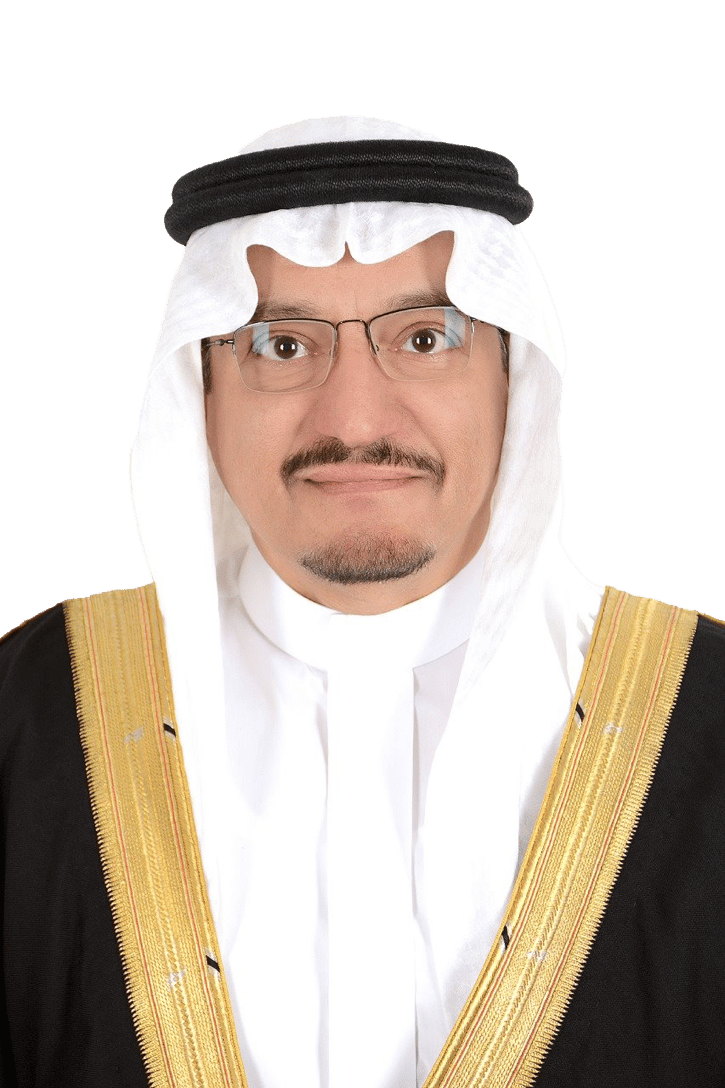
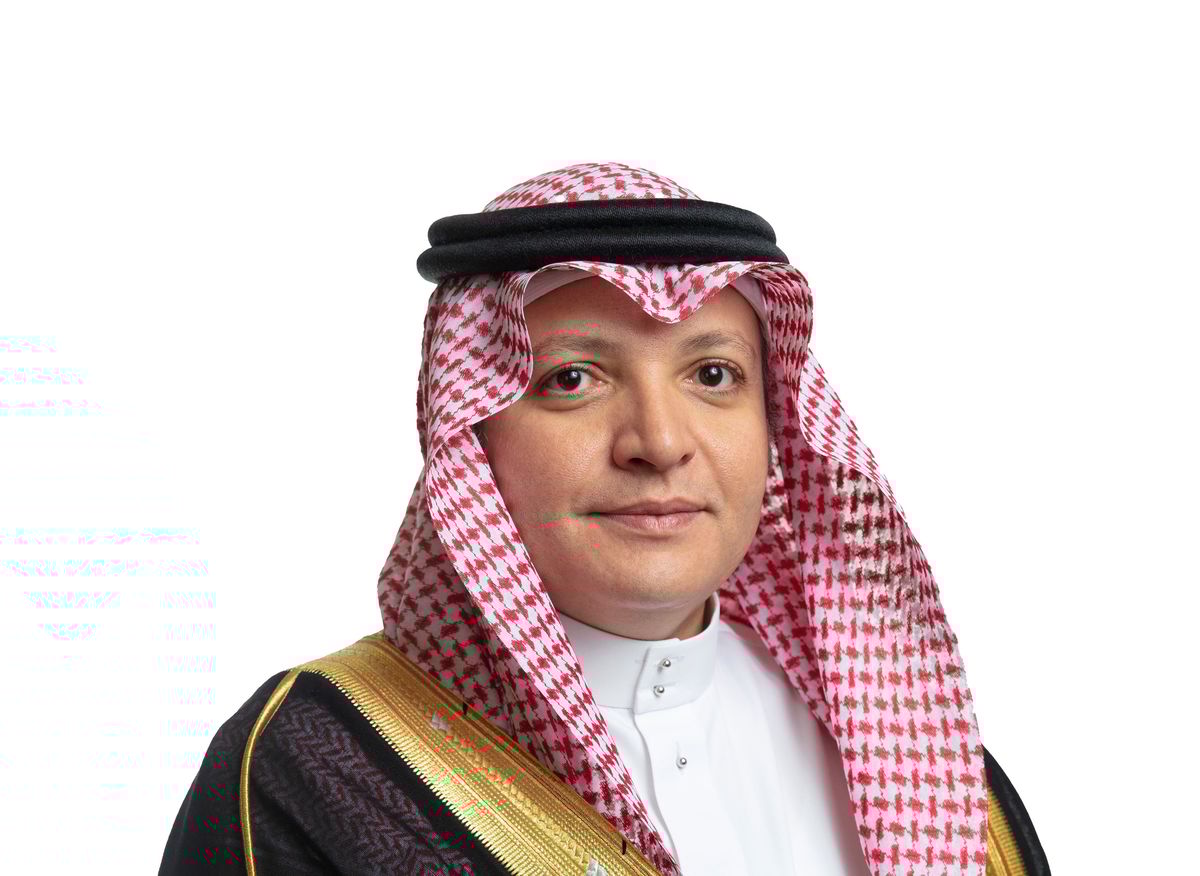
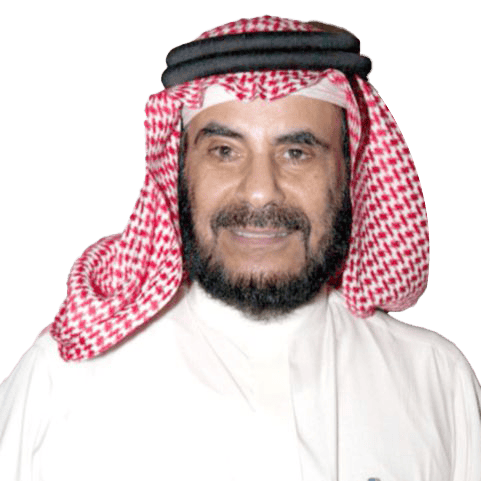
*A High Order was issued appointing him as a member of the RCU’s Board of Directors on 30 January 2026.
Member of the Board of Directors
Member of the Board of Directors
Member of the Board of Directors
Member of the Board of Directors
Member of the Board of Directors
Member of the Board of Directors






RCU has established a number of entities as operational and investment arms that contribute to the development of its strategy and the advancement of its interests, including:
Arabian Leopard Fund
The Arabian Leopard Fund was established by Royal Order in 2020. The Fund aims to conserve and protect the Arabian leopard from extinction, support local and international efforts, and encourage community participation in safeguarding one of the most endangered ecosystems, in alignment with the Kingdom of Saudi Arabia’s vision for environmental sustainability.
Vision:
A world with sustainable and thriving populations of the Arabian Leopard across its natural range as part of cultural and natural heritage.
Mission:
Promoting a sustainable natural environment while safeguarding natural and cultural heritage for future generations.
AlUla Sports Club Company
The AlUla Sports Club was established in 1981. Its ownership was transferred to the AlUla holding company for sports clubs (a wholly owned company of the RCU) in 2023, as the club works on the principle of sporting excellence and sustainability and enhancing the sense of pride and belonging in AlUla. AlUla Club represents the governorate, which is home to 5 nature reserves, which makes it a contributing role in preserving the Arabian leopard. The club also expresses its role through the club logo, which bears a drawing of the Arabian leopard, reflecting the social responsibility of its members to protect this creature from extinction.
AlUla Peregrina Trading Company
The company was established in 2021 and focuses on the manufacturing of natural raw ingredients and cosmetic products, leveraging the unique natural resources of AlUla.
The company’s vision is for Ban AlUla to become a global reference for sourcing sustainable, high-value natural ingredients, while positioning the Moringa peregrina tree as a strategic asset contributing to the social and economic development of AlUla.
Through its mission, the company seeks to develop an integrated supply chain for moringa tree extracts, serving both local and international cosmetics markets, through an approach that combines natural heritage, scientific innovation, and the empowerment of local communities.
Its operational model is based on sourcing peregrina seeds from certified local farmers and processing them at the AlUla peregrina Centre in AlUla into high-value natural ingredients using advanced manufacturing technologies that ensure quality and efficiency. The business model focuses on marketing and supplying “AlUla peregrina” extracts to global cosmetics brands, as well as developing bespoke formulations for luxury hotels and resorts within the Kingdom and internationally.
Museum of Visual and Contemporary Art Company
The company was established in 2018 as the entity responsible for acquiring artworks for museums affiliated with the Royal Commission for AlUla.
The company’s vision is to serve as a key driver of cultural transformation in the Kingdom of Saudi Arabia by building world-class art collections that reinforce the Kingdom’s position as a global cultural leader. Through strategic acquisitions, international collaborations, and cultural diplomacy initiatives, the company aims to connect Saudi heritage with the global art scene, supporting the objectives of Saudi Vision 2030 in positioning the Kingdom as a vibrant centre for creativity, artistic excellence, and international cultural exchange.
The company’s mission focuses on empowering cultural institutions across Saudi Arabia by providing integrated services in art acquisition and specialised advisory support, enabling cultural ambitions to be translated into distinguished art collections. The company combines deep local expertise with global knowledge to guide acquisition strategies, manage art collections, and advance cultural diplomacy—contributing to the enrichment of the national artistic legacy, strengthening national pride, and supporting the development of an interconnected global cultural future grounded in integrity, passion, and excellence.
Villa Hegra Foundation
The Villa Hegra Foundation was established by Royal Order in 2024 as an independent non-profit entity with legal personality. It aims to position AlUla as a leading global centre for culture and the arts, and to promote intercultural dialogue and exchange at both local and international levels, within the framework of the strategic partnership between the Kingdom of Saudi Arabia and France.
The Foundation’s vision is to become a prestigious global cultural platform that contributes to positioning AlUla as an international destination for arts and creativity, comparable to leading global cultural institutions, through the development of an integrated ecosystem encompassing artistic production, residency programmes, and specialised cultural initiatives.
Through its mission, the Foundation seeks to enhance intercultural engagement, empower local talent, and develop creative capabilities through high-quality educational and artistic programmes, international partnerships, and initiatives supporting cultural and artistic content production, thereby generating sustainable impact on the local community and strengthening the Kingdom’s presence in the global cultural landscape.
Its operating model is based on the development and delivery of diverse cultural and artistic programmes, including artist residencies, exhibitions and events, and creative content production, alongside the establishment of strategic partnerships with local and international cultural and artistic institutions to facilitate knowledge transfer, exchange of expertise, and reinforce AlUla’s position as a global hub for cultural exchange.
Contribution of the Foundation to the RCU’s strategy:
The Villa Hegra Foundation contributes to the Authority’s strategy through the following:
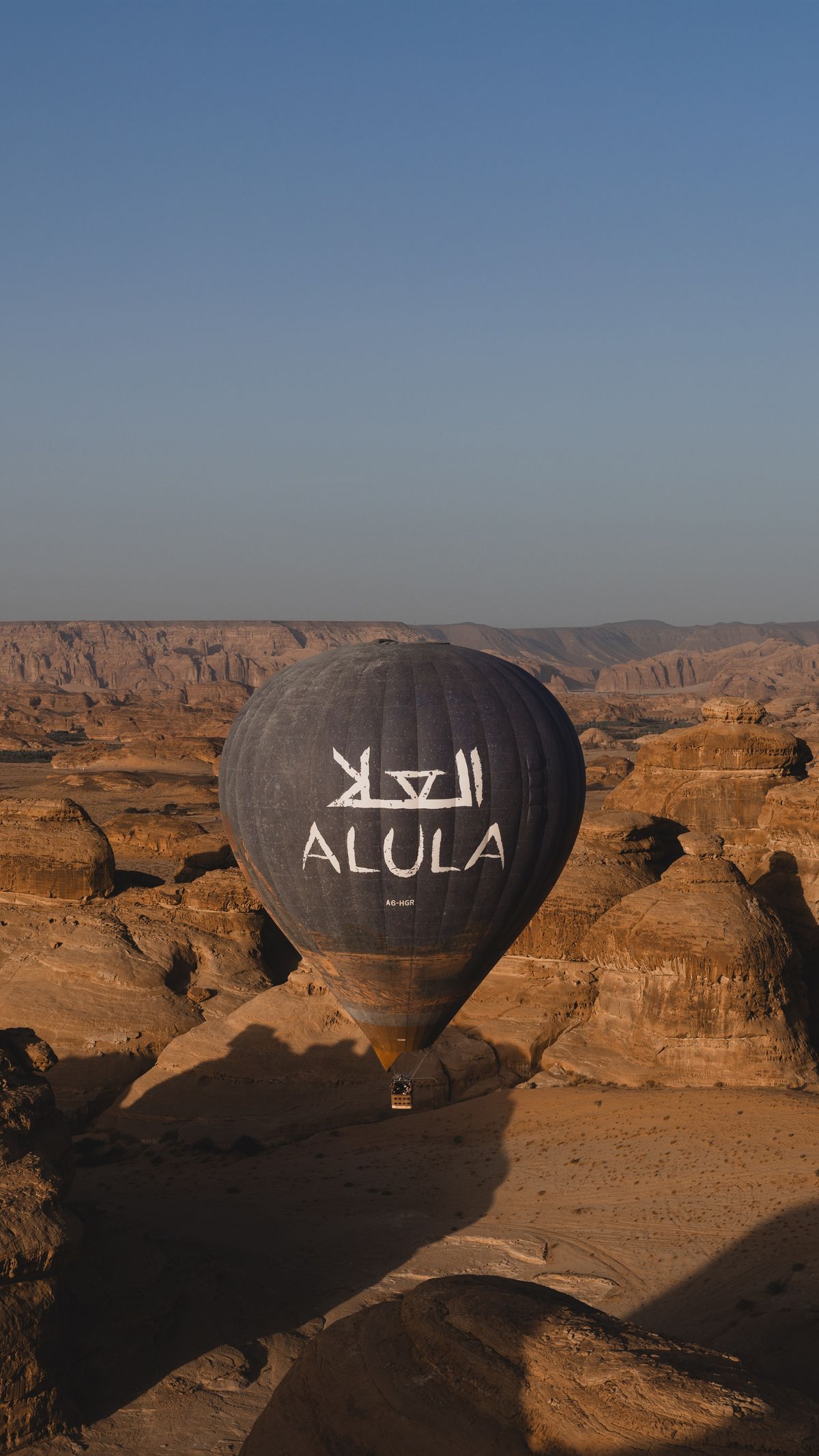
The RCU prepared its annual report for 2025 in compliance with the Council of Ministers’ regulations, presenting the key achievements, challenges encountered, and recommendations to improve operational performance. The report follows a detailed methodology aligned with the Annual Reports Preparation Guide for Public Agencies.
Looking ahead to 2026, the RCU is advancing its strategic priorities, focusing on empowering core sectors and maximizing sustainable impact in AlUla. These priorities include promoting culture, heritage, and nature through the continuation of archaeological research and preservation programmes, sustaining the operation of leading cultural assets and Madrasat Addeera for crafts, as well as developing natural reserves and protecting biodiversity.
The RCU also continues to grow the agricultural sector by revitalizing cultural oases, operating agricultural assets, and supporting farmers to improve the quality and competitiveness of local products. On the community level, priorities include sustaining municipal services, enhancing the urban landscape, building national capacities through training and scholarship programs, and developing health and sports sectors while strengthening readiness to host major events.
Regarding asset implementation, the RCU continues to develop and deliver high-impact assets according to the approved plan. This includes transportation and infrastructure projects, airport expansion, progress in hospitality projects, activation of public spaces, completion of cultural asset designs, and updating planning and regulatory frameworks, all aimed at improving quality of life and supporting comprehensive development strategies.
In the tourism sector, the RCU continues to ensure the readiness of hotel and tourism assets, develop regulatory and operational frameworks, and support the film industry and major events, thereby enhancing AlUla’s position as a sustainable global destination.
In conclusion, the RCU reaffirms its commitment to continuing work efficiently and effectively, strengthening integration with relevant entities, and leveraging available resources to achieve development targets in line with the leadership’s vision for a prosperous economy and a sustainable future for AlUla.
.jpg)